

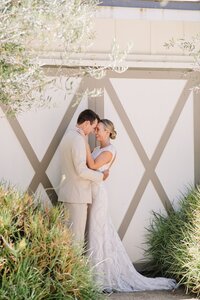
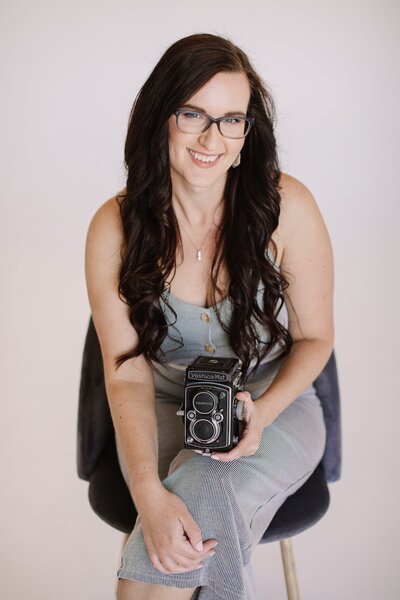
Most photographers won’t tell you what happens before they pick up the camera.
They’ll show you the golden hour portraits. The emotional vows. The perfectly timed sunset photos and packed dance floors.
What they usually won’t show you is hour nine when their feet are throbbing. The neck pain that makes moving quickly harder. The dehydration headache creeping in halfway through cocktail hour. Or the exhaustion that quietly starts stealing focus from the tiny moments unfolding in front of them.
But here’s the truth: how a wedding photographer takes care of themselves directly affects how they take care of their couples.
Wedding photography is physically demanding. Mentally, emotionally, and physically. It’s 8 to 10 hours of constant movement, carrying heavy camera equipment, anticipating moments before they happen, solving problems quietly, and staying emotionally present from start to finish.
As a California wedding photographer, I’ve learned that having a system matters.
The routines I follow before and during every wedding allow me to consistently show up calm, focused, energized, and fully present for my couples.
These are my four wedding day non-negotiables.
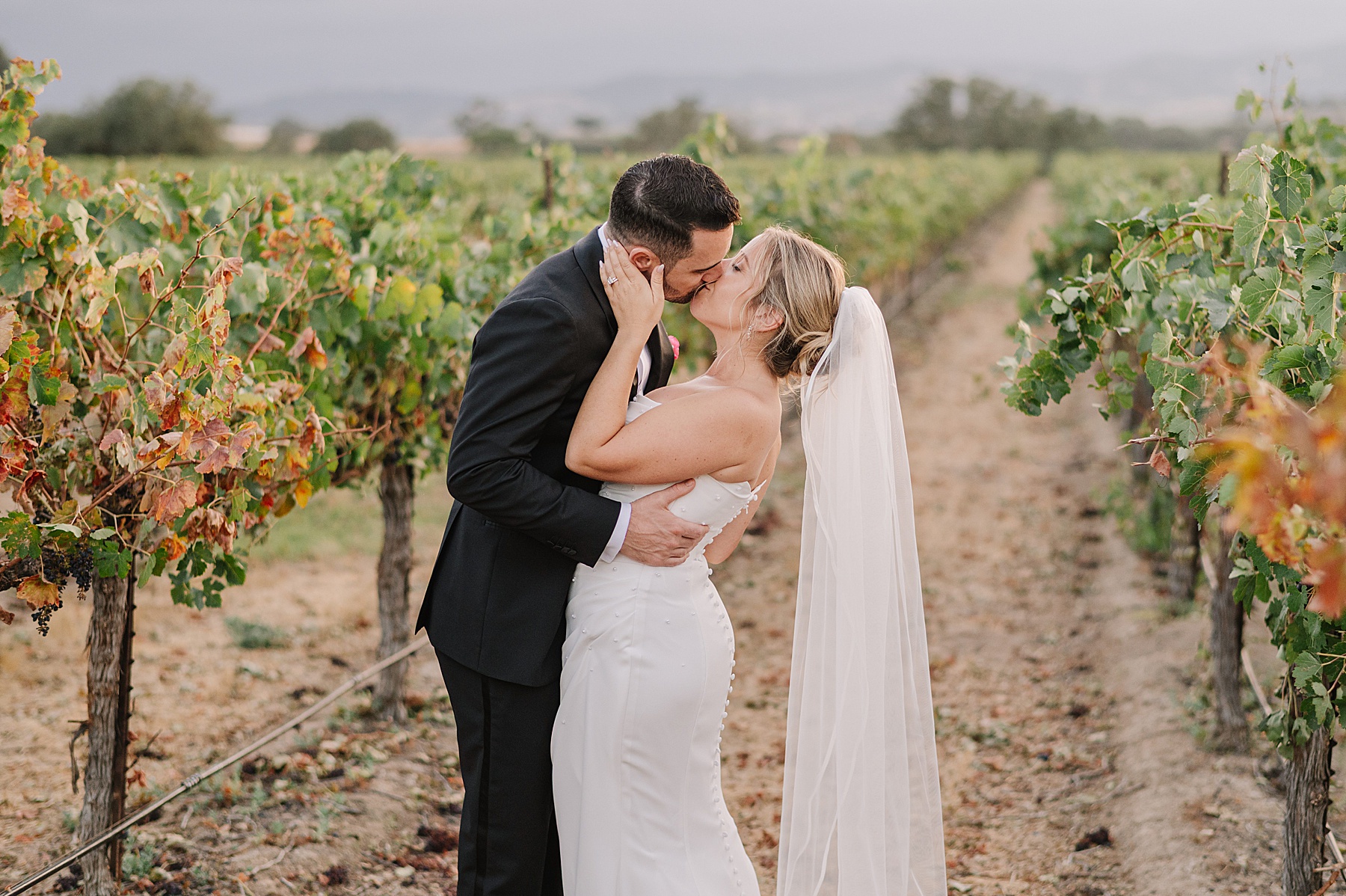
Why Wedding Photographer Preparation Matters
A Great Wedding Photography Experience Starts Before the Wedding
Most couples focus on portfolios when hiring a wedding photographer, which absolutely matters. But something equally important is whether your photographer knows how to sustain their energy and focus throughout an entire wedding day.
Because beautiful wedding photography is not just about creativity.
It’s about endurance.
A photographer who feels physically depleted halfway through the day will naturally move slower, react slower, and lose some of the sharp attention needed to capture emotional in-between moments.
That’s why I prioritize preparation just as much as photography itself.
The Best Wedding Photos Happen During Real Moments
Some of the best moments on a wedding day are fleeting.
Not the perfectly posed ones. Not the moments everyone expects.
I’m talking about the tiny in-between moments that happen naturally when nobody realizes how meaningful they’ll become later.
Your parents squeezing your hands during the ceremony while trying to hold back tears. Your partner’s face softening during a speech. The split-second laugh between your bridal party before the music starts and everything suddenly feels real. Your grandparents watching quietly from across the room during dinner. The way your dress moves when you spin during your first dance. The quick glance you exchange with your new spouse when nobody else is paying attention.
Those are the moments that often end up meaning the most years later.
And the thing about moments like these is that they cannot be recreated.
They happen once. Quietly. Quickly. Sometimes within seconds.
That’s why staying mentally sharp and fully present throughout an entire wedding day matters so much to me. I never want exhaustion, discomfort, dehydration, or distraction to pull my attention away from what’s unfolding in front of me.
Because while wedding photography absolutely involves beautiful portraits and intentional posing, so much of it also comes down to awareness. Anticipation. Being fully tuned into the emotions, energy, and people around me all day long.
I want to notice the things you didn’t even realize were happening.
And I want to make sure I’m fully present enough to catch every single one.
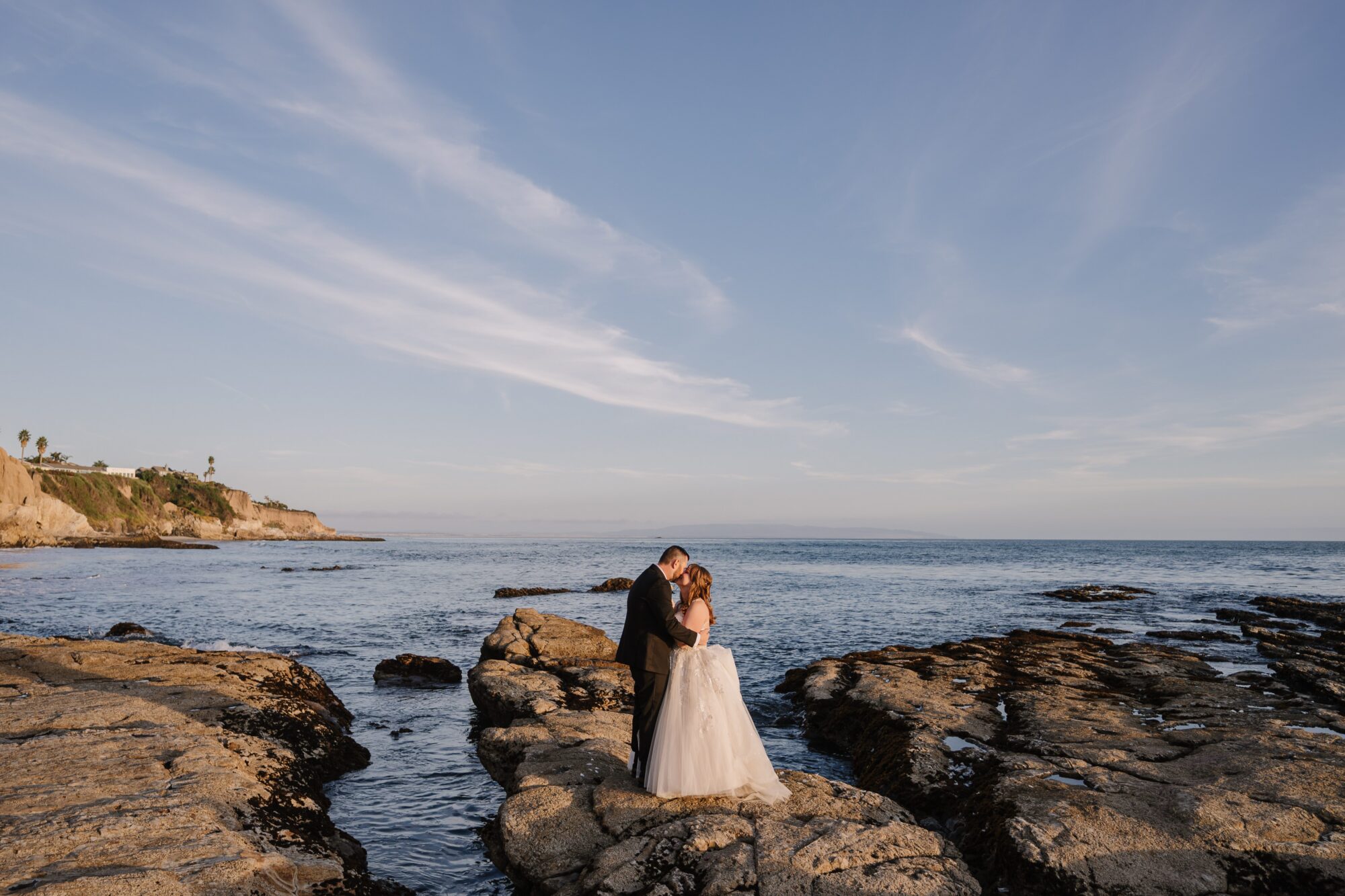
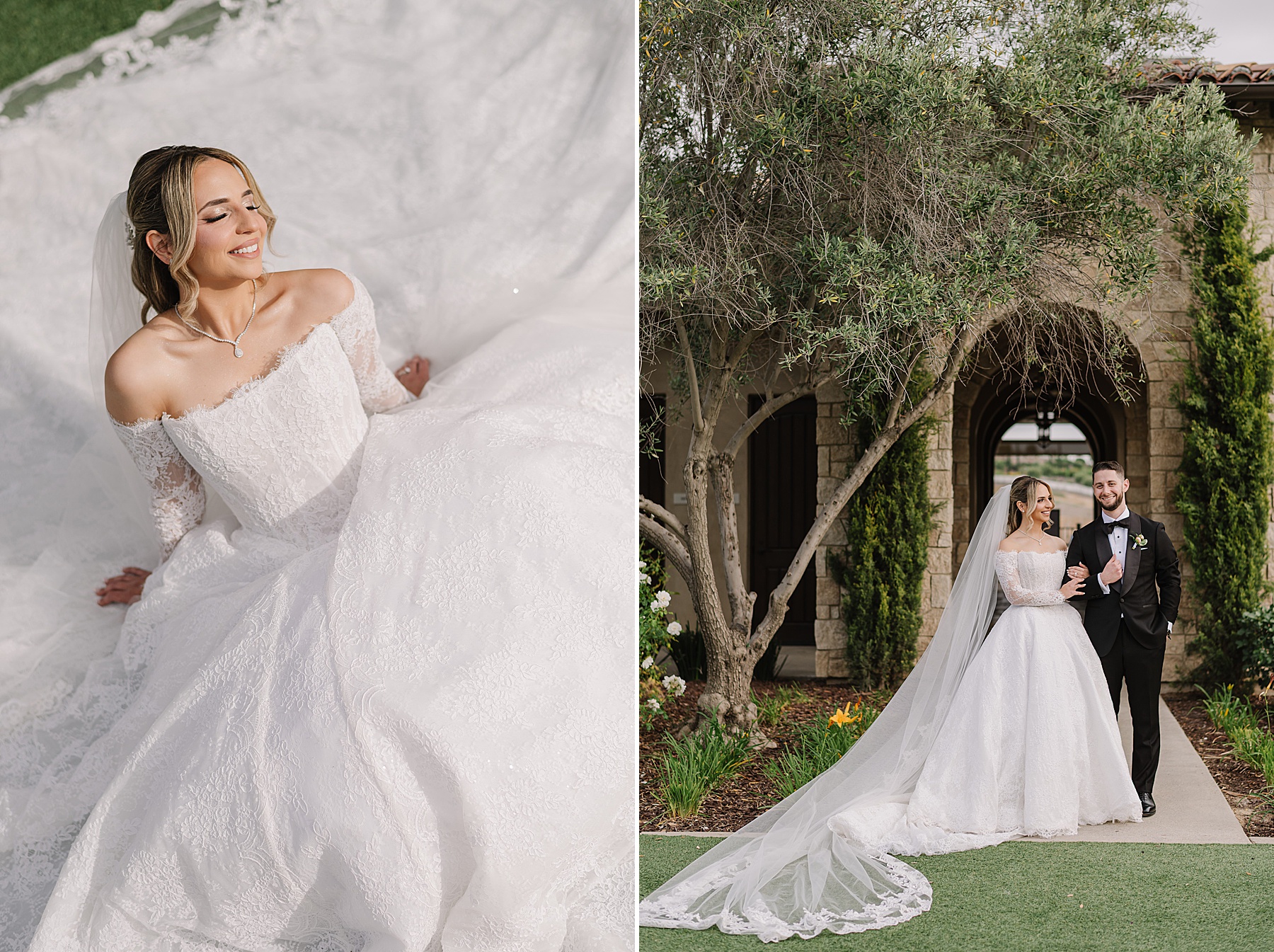
Non-Negotiable #1: Liquid IV for Wedding Day Hydration
Staying Hydrated During Long California Wedding Days
The day before your wedding. The morning of your wedding. And if it’s a warm California wedding day, probably one more mid-afternoon.
Weddings in places like San Luis Obispo, Los Angeles, and the Bay Area can be deceptively exhausting. Even when temperatures seem mild, wedding photography involves constant movement for hours at a time.
From hiking to portrait locations to standing through ceremonies and moving quickly during receptions, dehydration can sneak up fast.
Why Hydration Matters for Wedding Photography
Dehydration rarely starts dramatically.
Usually, it begins with low energy. Slower reflexes. Brain fog. Difficulty focusing. And in wedding photography, even small lapses in focus can mean missing moments that can never happen again.
Liquid IV has become a staple in my wedding day routine because it helps me stay energized, focused, and mentally sharp throughout the entire day.
Especially during cocktail hour and sunset portraits when lighting becomes incredible and candid moments unfold naturally.
Those moments deserve someone fully paying attention.
Non-Negotiable #2: My Spider Holster Camera System
Why Wedding Photographers Need Ergonomic Camera Gear
I used to carry my cameras the way most photographers do.
A strap around my neck with heavy camera weight pulling forward all day long.
And honestly? By the end of ceremonies, my neck and back were already struggling. By reception time, I could feel the fatigue every time I bent down, moved quickly, or lifted my camera back into position again. It was one of those things I thought I just had to “deal with” as a wedding photographer.
But wedding photography is already physically demanding enough without fighting against your gear all day long.
Switching to a Spider Holster completely changed the way my body feels during weddings.
Instead of carrying the weight through my shoulders and neck, the camera clips securely to my hip, distributing the weight in a way that feels far more natural. It sounds simple, but during a 10-hour wedding day, it makes an enormous difference.
I move easier throughout the day. I can transition between moments faster. I’m more comfortable crouching down during ceremonies or staying low for creative angles during portraits. And by the time the dance floor starts, I still feel physically capable of giving my couples the same energy and attention I had earlier in the day.
That matters more than people probably realize.
Because when your photographer feels physically supported, they’re able to stay mentally present, creative, and focused on what’s unfolding around them instead of quietly counting down the hours until they can finally sit down.
Better Comfort Creates Better Wedding Photos
When photographers aren’t distracted by physical pain, they photograph differently.
They crouch lower for better angles during the ceremony instead of avoiding movements that hurt. They stay patient while waiting for emotional reactions instead of rushing through moments. They move quicker during fast-paced parts of the day and remain creative long after most people would start feeling physically drained.
And honestly, that changes the final gallery more than people probably realize.
When your body feels supported, it becomes easier to stay fully present. Easier to notice small interactions happening in the background. Easier to keep experimenting with angles, movement, lighting, and storytelling throughout the entire wedding day instead of defaulting to the safest or quickest option.
Especially during receptions, when energy is high and moments are happening constantly, physical exhaustion can quietly affect creativity. It becomes tempting to stand in one spot or stop looking for interesting perspectives. Truly, I never want that to happen.
I want to still be fully engaged when your grandma joins the dance floor unexpectedly. When your friends start screaming the lyrics to your favorite song. When you and your partner sneak a quiet moment together outside for fresh air.
Comfort directly impacts creativity.
And ultimately, your wedding gallery benefits from that.
Non-Negotiable #3: A Breakfast Burrito from Nautical Bean
Why Eating Before a Wedding Matters for Wedding Photographers
When photographers aren’t distracted by physical pain, they photograph differently.
They crouch lower for better angles during the ceremony instead of avoiding movements that hurt. They stay patient while waiting for emotional reactions instead of rushing through moments. They move quicker during fast-paced parts of the day and remain creative long after most people would start feeling physically drained.
And honestly, that changes the final gallery more than people probably realize.
When your body feels supported, it becomes easier to stay fully present. Easier to notice quiet interactions happening in the background. Easier to anticipate moments before they happen. Easier to keep experimenting with angles, movement, lighting, and storytelling throughout the entire wedding day instead of defaulting to the safest or quickest option.
Especially during receptions, when energy is high and moments are happening constantly, physical exhaustion can quietly affect creativity. It becomes tempting to stand in one spot or stop looking for unexpected moments unfolding around the room.
I never want that to happen.
I want to still be fully engaged when your grandma joins the dance floor unexpectedly. When your friends start screaming the lyrics to your favorite song. When you and your partner sneak outside for a quiet moment alone while the reception continues inside.
Those are often the moments couples treasure most later on.
Comfort directly impacts creativity.
And ultimately, your wedding gallery benefits from that.
Wedding Photography Routines Create Consistency
Good wedding photographers rely on systems and routines.
Not because routines are glamorous, but because consistency matters.
When couples hire me as their California wedding photographer, they’re trusting me to document one of the biggest and most emotional days of their lives. They’re trusting me to notice the moments they miss in real time and preserve memories they’ll come back to for decades.
Preparation is part of honoring that responsibility.
That breakfast helps ground me before long wedding days. It signals to my body that it’s time to focus, settle in mentally, and fully show up for the people trusting me with their memories.
There’s also something calming about beginning a fast-paced day with a familiar routine before stepping into the unpredictability and emotion that naturally comes with weddings.
And honestly, there’s something comforting about starting a huge day with something familiar.
Non-Negotiable #4: Nervie for Foot and Nerve Support
Managing Foot Pain During Wedding Photography
Multiple times throughout the day, I apply Nervie to my feet.
If you’ve never photographed a wedding before, this probably sounds oddly specific.
But if you’ve ever spent 10 hours standing on concrete while carrying camera equipment, crouching during ceremonies, climbing hills for portraits, running between locations, and walking backward through crowded receptions while photographing dancing guests… then you probably understand immediately.
Wedding photography is surprisingly hard on your body, especially your feet and joints. By the end of a wedding day, even small amounts of discomfort can start becoming distracting if you’re not proactive about taking care of yourself throughout the day.
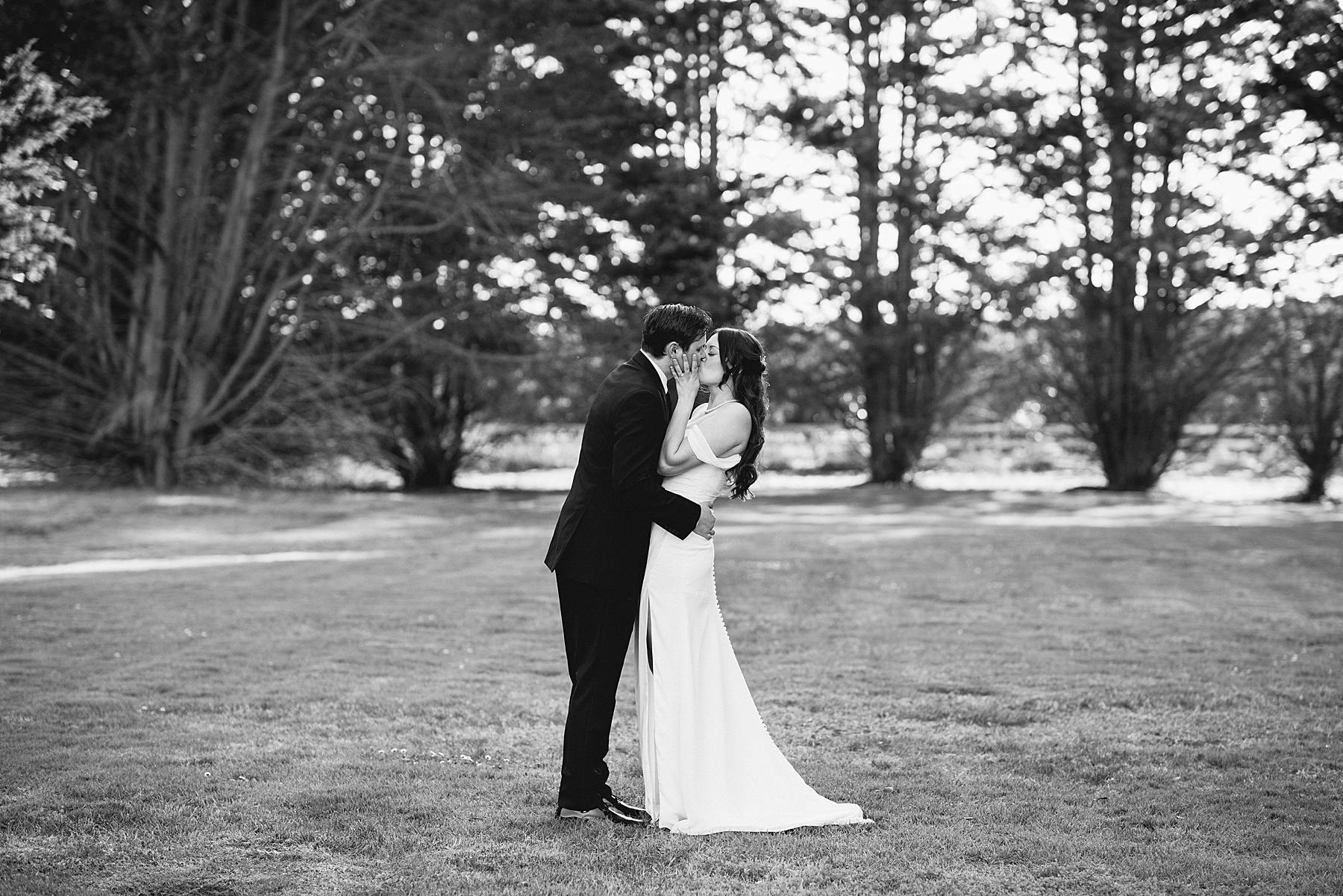
Why Physical Comfort Matters During Weddings
Foot pain becomes distraction very quickly.
And distraction leads to missed moments.
Even small discomforts can slowly pull your attention away from what’s happening around you, especially during long wedding days where moments are unfolding constantly and there’s very little downtime.
That’s why I apply Nervie before leaving the house and usually reapply midway through the wedding day. Quietly. Quickly. Without making it anyone else’s problem or disrupting the flow of the day.
Because your wedding day should never feel like your photographer is running on empty halfway through the reception.
You should only experience someone calm, prepared, focused, and fully invested in documenting your day well from beginning to end.
Behind the Scenes of Being a California Wedding Photographer
Wedding Photography Is More Physical Than Most People Realize
There’s this misconception that wedding photography is simply walking around with a camera all day.
In reality, wedding photographers are carrying heavy gear, problem-solving constantly, adjusting to unpredictable timelines, managing difficult lighting conditions, staying emotionally present, and moving nonstop for nearly an entire day.
A lot of the job also happens quietly behind the scenes. Anticipating moments before they happen. Managing stress without letting couples feel it. Adapting quickly when timelines shift, weather changes, or unexpected moments unfold in real time.
It’s creative work, but it’s also incredibly physical and mentally demanding work.
Preparation matters because endurance matters.
Taking Care of Myself Helps Me Serve My Couples Better
The photographers who take care of themselves well are often the photographers who take care of their clients well, too.
I don’t believe professionalism means pretending exhaustion doesn’t exist or acting like wedding days aren’t physically demanding.
Instead, I believe professionalism looks like preparation.
It looks like building systems and routines that allow you to consistently show up at your best, even during long, fast-paced wedding days. It means understanding what your body needs in order to stay focused, creative, patient, and fully present from beginning to end.
Because at the end of the day, my couples deserve someone who still has energy and intention behind every photo, even during the final hour of the reception.
Why Wedding Day Preparation Matters as a Wedding Photographer
I’m not a machine.
I am a person who has intentionally built routines around serving people well on one of the most emotional and meaningful days of their lives.
Because your wedding day deserves more than someone simply “showing up” with a camera.
It deserves someone who is mentally present enough to notice the small moments. Physically prepared enough to keep moving creatively through hour ten. Emotionally grounded enough to stay calm when timelines shift or unexpected things happen. Someone who can continue giving their full attention, energy, and care long after exhaustion would normally start creeping in.
These four things are part of that system.
They may seem small individually, but together they allow me to show up consistently for my couples in the way I want to. Fully present. Fully invested. Fully aware of how important these memories actually are.
Because at the end of the day, this work is about people.
It’s about preserving moments that can never happen again.
So when you see me walking into your venue calm, energized, prepared, and already smiling before the day even begins?
Now you know why.
If you’re looking for a wedding photographer who shows up fully present, prepared,
and intentional from start to finish, I’d love to document your day.
send me my guide
A lot of moving pieces go into planning a wedding day timeline and we know it's easy to feel like a hot mess! Grab our free guide to plan the perfect timeline for your day.
Stress Free Wedding Day
Five tips for a
the completely free guide